

Agile Project Management


What Is Agile? Methodology, Values & Benefits [2026]
Agile is an iterative, adaptive way of delivering work. What agile is, the values behind it, agile vs. waterfall, frameworks, benefits, and PMP exam tips.


Agile Manifesto: 4 Values & 12 Principles [2026]
The Agile Manifesto is a 2001 statement of 4 values and 12 principles behind agile. Its history, the values and principles explained, frameworks, and exam tips.


What Is Scrum? Roles, Events & Artifacts [2026]
Scrum is a lightweight agile framework for complex work. Its theory, the 3 roles, 5 events, and 3 artifacts, scrum vs. agile, benefits, and PMP exam tips.


Scrum Master: Role, Responsibilities & Skills [2026]
A scrum master is a servant leader who helps a team work effectively. Responsibilities, scrum master vs. project manager, skills, becoming one, and exam tips.

Product Owner: Role, Responsibilities & Skills [2026]
The product owner maximizes a product's value and owns the backlog. Responsibilities, product owner vs. scrum master, skills, how to become one, and exam tips.


What Is a Sprint in Agile? Length & Cycle [2026]
A sprint is a short, fixed-length iteration that delivers a done increment. Sprint length, the sprint cycle and events, sprint vs. scrum, and PMP exam tips.


Sprint Planning: How to Run It + Agenda [2026]
Sprint planning kicks off every sprint. Learn what it is, who attends, the timebox, the sprint goal and backlog, how to run the meeting, and PMP exam tips.


Daily Standup: Format, Questions & Timebox [2026]
A daily standup is a 15-minute agile team sync. Learn its purpose, the three questions, who attends, how to run one, anti-patterns, and PMP exam tips.


Sprint Review: Purpose, Agenda & Timebox [2026]
A sprint review is where the team and stakeholders inspect the increment and adapt the backlog. Its purpose, agenda, timebox, and review vs. retrospective.


Sprint Retrospective: Ideas, Agenda & Format [2026]
A sprint retrospective is how a team improves its own process. Its purpose, the five stages, who attends, timebox, retrospective ideas, and PMP exam tips.


Product Backlog: Items, Owner & Priority [2026]
A product backlog is the ordered list of everything a product needs. Its items, who owns it, how to prioritize, product vs. sprint backlog, and exam tips.


Backlog Refinement (Grooming): Meeting & Tips [2026]
Backlog refinement (formerly grooming) keeps the product backlog ready. Its purpose, what happens, who attends, how often, DEEP and INVEST, and PMP exam tips.


User Stories: Template, Examples & Format [2026]
A user story describes a feature from the user's view. The template, examples, the 3 C's, INVEST, acceptance criteria, how to write them, and PMP exam tips.

Definition of Done (DoD) in Agile: Examples [2026]
The definition of done makes work truly complete: examples, who owns it, DoD vs. acceptance criteria, the definition of ready, and the PMP and CAPM exams.

Story Points & Agile Estimation: A Guide [2026]
Story points estimate the relative size of agile work, not hours. What they measure, the Fibonacci scale, planning poker, velocity, pitfalls, and the PMP exam.


Velocity in Agile: Formula, Chart & How to Use It [2026]
Velocity in agile is the work a team completes per sprint. The formula, a worked example, velocity vs. capacity, and how it is tested on the PMP exam.


Burndown Chart in Agile: Examples & How to Read [2026]
A burndown chart tracks the work remaining in a sprint against time. How to read the ideal vs. actual line, an example, burndown vs. burnup, and the PMP exam.


Burnup Chart in Agile: Example & vs. Burndown [2026]
A burnup chart plots work completed and total scope as two lines, so scope stays visible. An example, how to read it, burnup vs. burndown, and the PMP exam.


Agile Release Planning: Process & Levels [2026]
Agile release planning maps features across sprints toward a release. The planning levels, date vs. scope, how to forecast with velocity, and PMP exam tips.


Minimum Viable Product (MVP): Meaning & Examples [2026]
A minimum viable product (MVP) is the simplest usable version of a product, built to learn from customers. MVP vs. prototype, examples, and PMP exam tips.
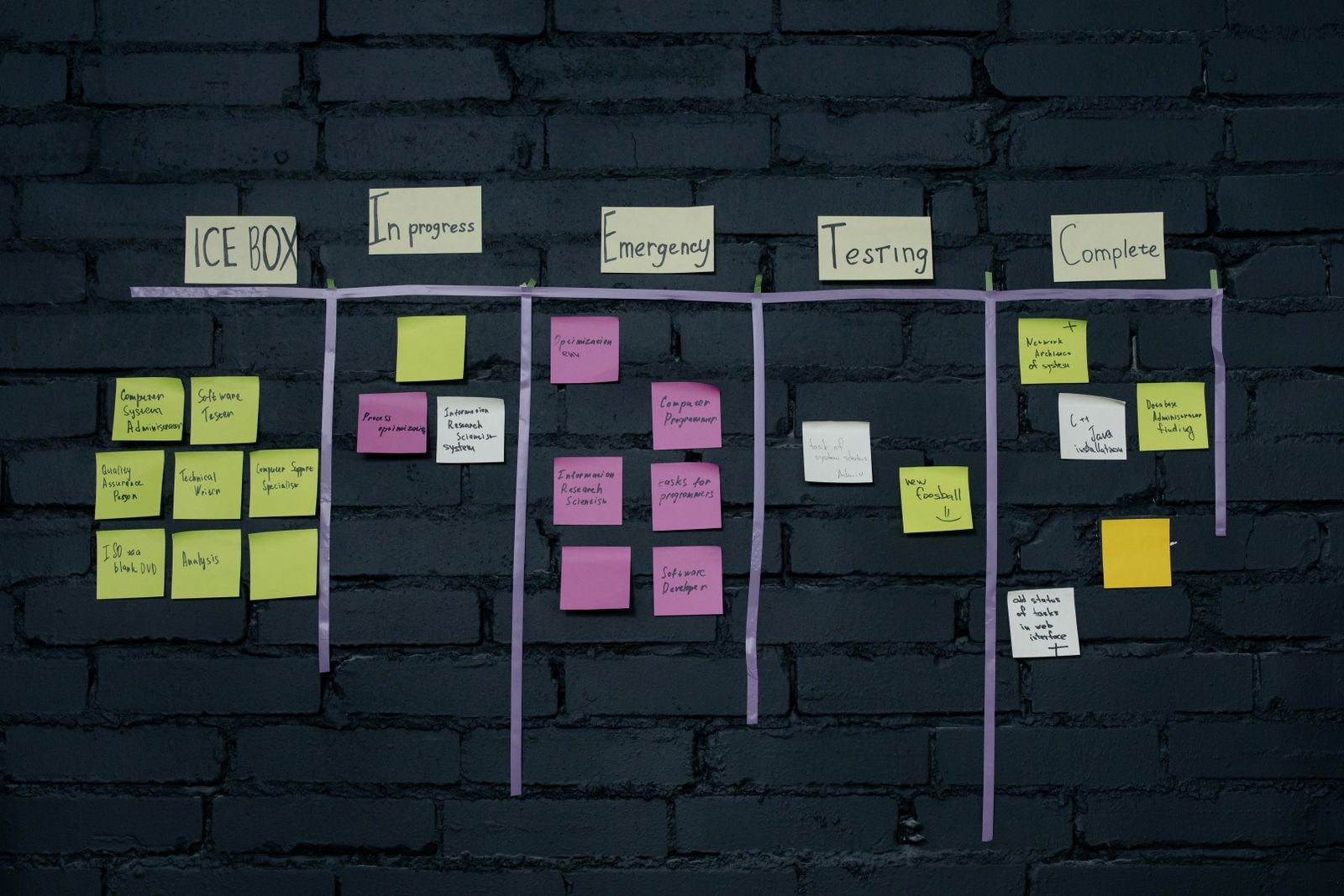

Kanban: Boards, WIP Limits & Kanban vs Scrum [2026]
Kanban is a visual, flow-based agile method. The kanban board, WIP limits, its 6 practices, kanban vs. scrum, metrics, when to use it, and PMP exam tips.

Kanban Board: Columns, Examples & Setup [2026]
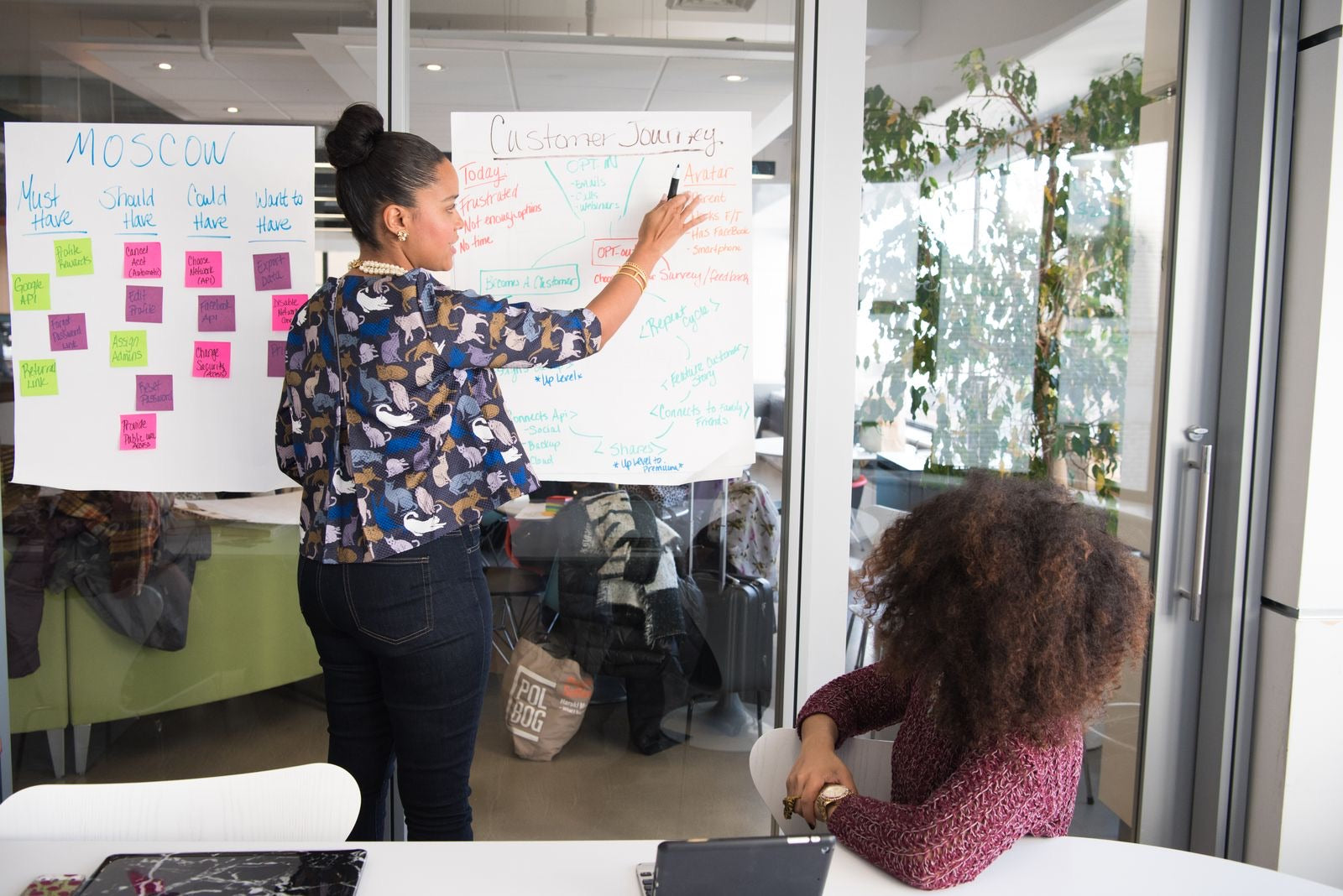
A kanban board visualizes work as cards moving across your workflow columns. Its elements, columns, examples, how to build and use one, and PMP exam tips.

Cumulative Flow Diagram (CFD): How to Read It [2026]
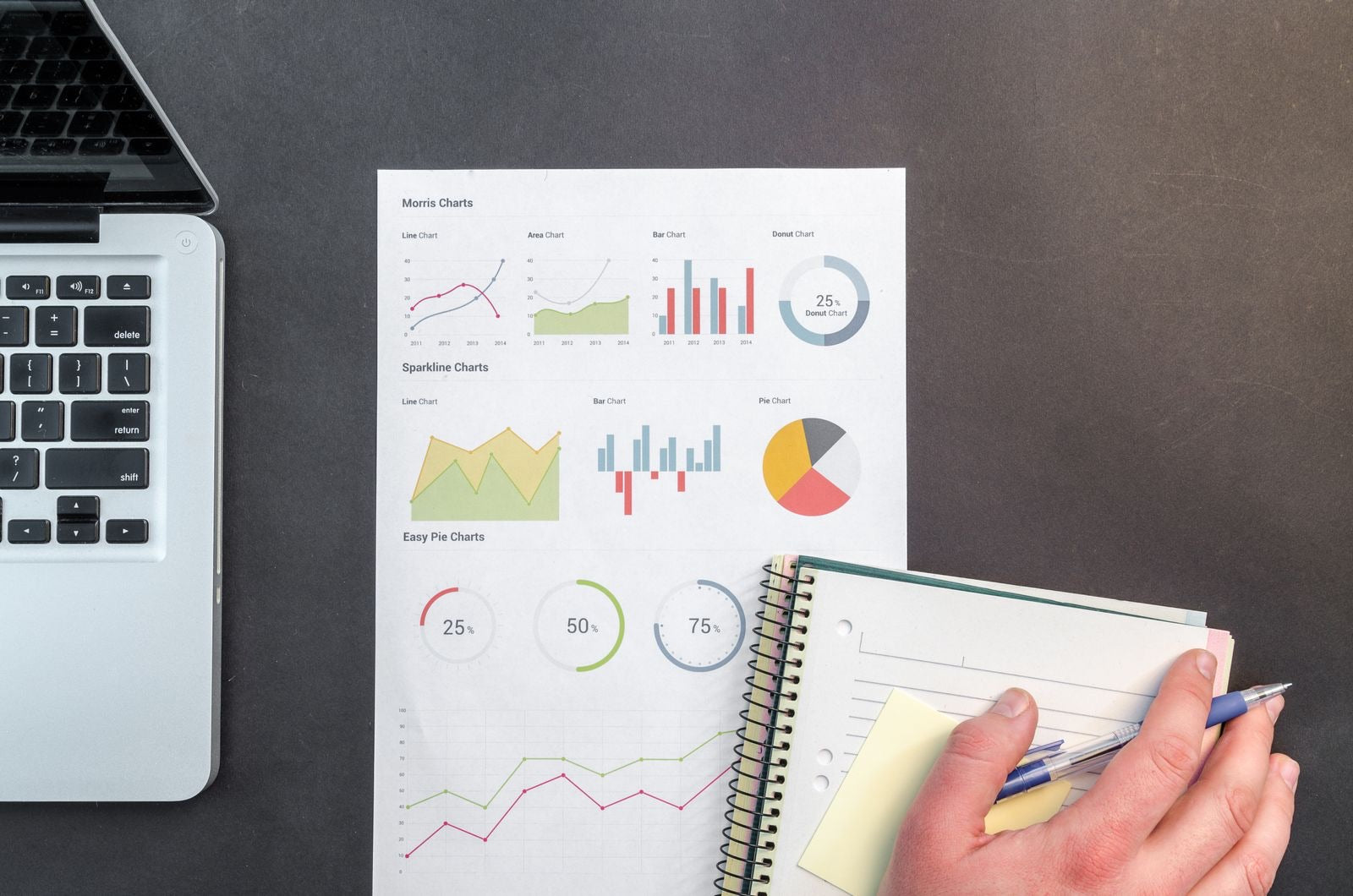
A cumulative flow diagram shows work items in each state over time. How to read WIP, cycle time, and throughput, an example, CFD vs. burndown, and the PMP exam.


Cycle Time: Formula, Little's Law & Lead Time [2026]
Cycle time measures how long work takes once it starts. The formula, cycle time vs. lead time, takt time, Little's Law, how to reduce it, and PMP exam tips.

Scrumban: Scrum + Kanban Hybrid Explained [2026]
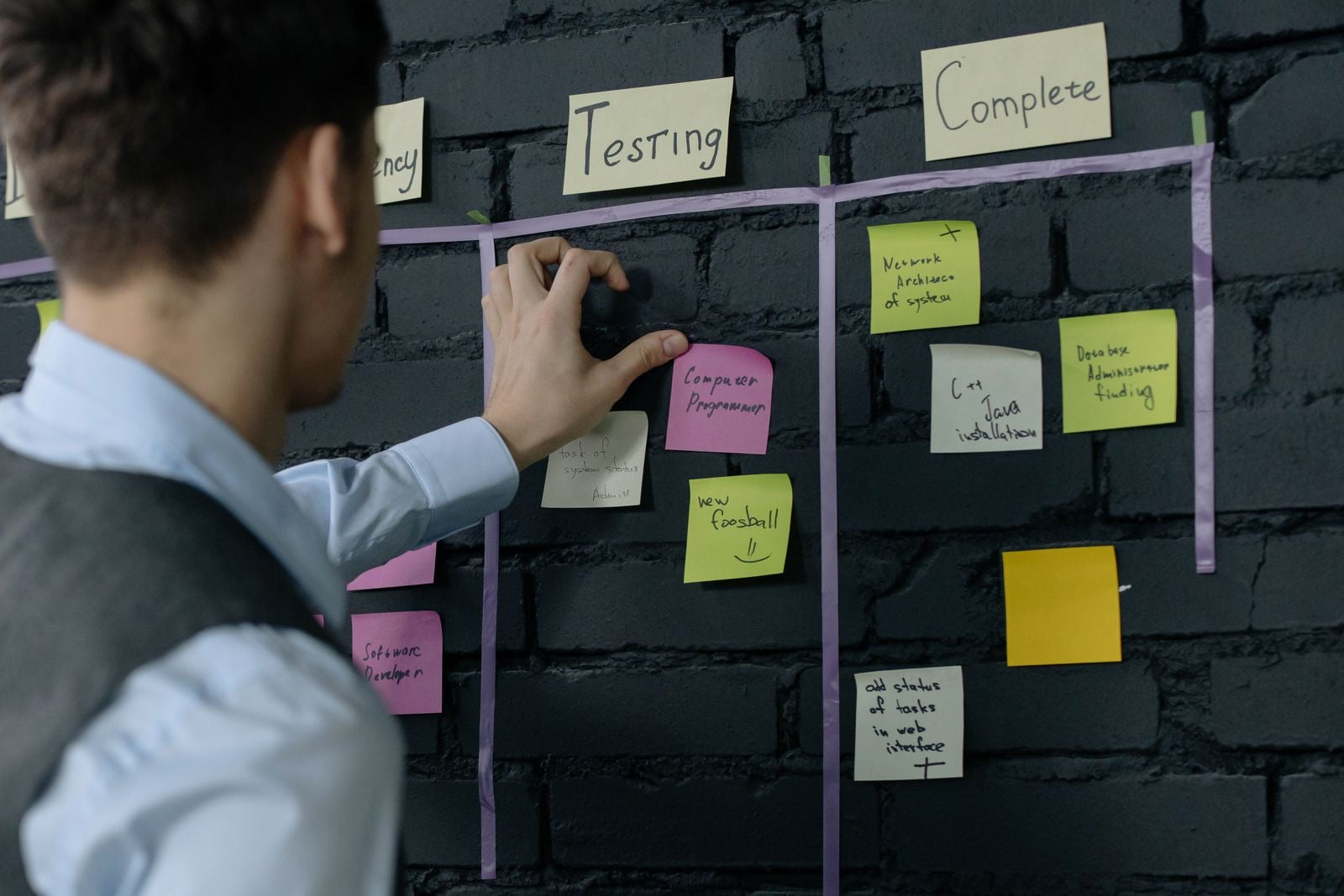
Scrumban blends Scrum's structure with Kanban's flow. How it works, scrum vs. kanban vs. scrumban, the scrumban board, when to use it, and the PMP exam.


Lean Project Management: Principles & Wastes [2026]
Lean project management maximizes value and eliminates waste. The 5 lean principles, the 8 wastes, tools, lean vs. agile, and how it shows up on the PMP exam.


Extreme Programming (XP): Values & Practices [2026]
Extreme Programming (XP) is an agile framework built on engineering discipline. Its 5 values, 12 practices, pair programming, XP vs. scrum, and PMP exam tips.


DevOps vs. Agile: Differences & How They Fit [2026]
DevOps vs. Agile: agile builds the right product fast, DevOps ships it reliably. Their key differences, similarities, how they work together, and PMP exam tips.


Scaled Agile Framework (SAFe): Scaling Agile [2026]
The Scaled Agile Framework (SAFe) helps large organizations run agile across many teams. SAFe concepts, LeSS, Scrum of Scrums, SAFe vs. scrum, and exam tips.


Crystal, FDD, DSDM & AUP: Other Agile Frameworks [2026]
Beyond Scrum and Kanban: Crystal, Feature-Driven Development, DSDM, and Agile Unified Process explained, how they differ, when to use them, and PMP exam tips.